Health and Underwriting
Life Insurance Medical Exam: The 25-Minute Walkthrough
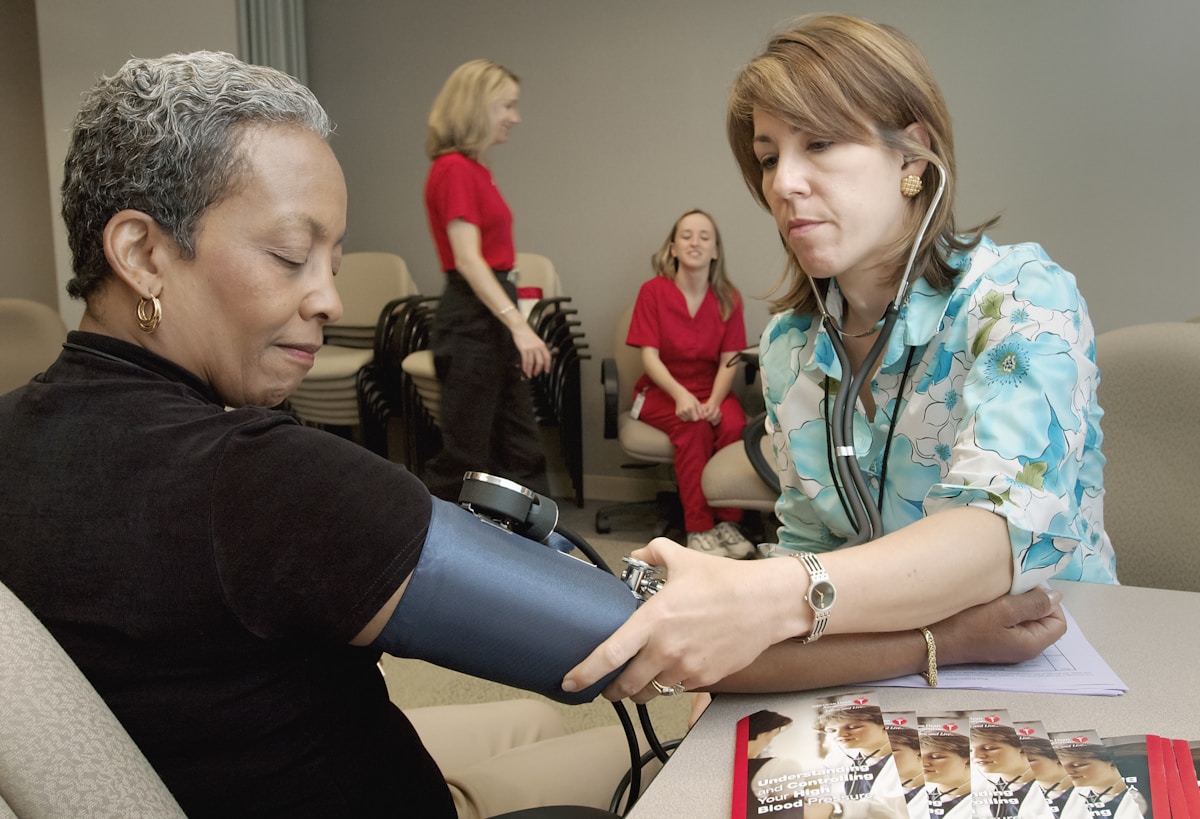
You applied for a policy, and now the carrier wants a medical exam. If you are picturing a full physical in a doctor’s office with a gown and a waiting room, you can relax. This is not that. A trained examiner comes to your home or office at a time you pick, and the whole visit usually runs twenty to thirty minutes. There is no undressing, no invasive procedures, and no lecture about your habits. It is a short set of measurements and two samples, blood and urine, that let the carrier confirm the health you described on your application. Below is the entire visit, step by step, plus what those samples actually test and how to keep a bad morning from skewing your numbers.
Who shows up and how you book it
The carrier does not send your own doctor. They contract a company like ExamOne, APPS, or Superior Mobile Medics, and one of those companies assigns a paramedical examiner, usually a nurse or a phlebotomist. You will typically get a call within a few business days of applying to schedule. Most people book a morning slot at home, which is the easiest option because you control the setting and you can fast overnight.
The examiner is not there to diagnose you or judge you. They collect a fixed list of data points and forward them to the underwriter. They will also read you a short health questionnaire to confirm what is already on your application: current medications and doses, the names of doctors you have seen, dates of any recent procedures, and any conditions you are being treated for. Answer plainly. They are matching your answers to your file, not trying to trip you up. Keep a written medication list and your doctors’ phone numbers nearby so this part moves fast.
What the life insurance medical exam measures
The hands-on portion is short and the same almost everywhere:
- Height and weight, used to calculate your build. Build matters to underwriting, and if you want to know how it factors in, we cover it in life insurance when you are overweight.
- Blood pressure, usually taken once or twice. If the first reading is high, a good examiner will wait a few minutes and retake it.
- Pulse.
- A blood draw, one or two small vials.
- A urine sample.
Applicants over roughly age 50, or anyone applying for a larger death benefit, may also get a resting EKG, and some carriers add one at older ages regardless of the amount. A growing number of carriers now accept an oral swab or a mail-in kit in place of the full blood draw for certain applicants, so do not be surprised if your process looks lighter than a friend’s did a few years ago.
What the blood and urine tests are actually looking for
This is the part most people wonder about, and none of it is secret. The blood panel typically reports total and HDL cholesterol and other lipids, fasting glucose plus an A1C that reflects your average blood sugar over the past two to three months, liver enzymes such as ALT and AST, kidney markers like creatinine, and often a screen for HIV and hepatitis. The urine sample checks for protein, sugar, blood, and cotinine, which is the byproduct that reveals nicotine.
Two things are worth flagging. First, cotinine is why tobacco and vaping have to match what you wrote on the application. Nicotine can linger in the body for days to a couple of weeks depending on use, so hoping the test misses it is a poor bet. If you use nicotine, being upfront is genuinely better, and we explain why in life insurance for smokers. Second, these panels sometimes surface something you did not know about, like a glucose reading that points toward prediabetes or an elevated liver enzyme. That is not a reason to skip the exam. Underwriters see borderline numbers every day and do not automatically decline over them. It is information you would rather have than not.
How to prepare so your numbers reflect the real you
You cannot fake your way to better results, but you can avoid pushing a number higher than it usually sits. A few steps help your readings land near your true baseline:
- Book a morning appointment and fast for eight to twelve hours beforehand. Fasting gives cleaner cholesterol and glucose readings. Water is fine during the fast.
- Stay hydrated. It makes the blood draw easier and helps you produce the urine sample.
- Skip caffeine and hard exercise the morning of the exam. Both can temporarily raise blood pressure and pulse.
- Go easy on salt and alcohol for a day or two before. Alcohol can bump liver enzymes and salt can nudge blood pressure.
- Get a normal night of sleep. A short, jittery night can raise both blood pressure and glucose.
None of this is gaming the system. It keeps one large coffee or one restless night from making a reading look worse than your usual. If your blood pressure or blood sugar runs high in general, exam-day tricks are not the answer, and there is a real strategy for it. Our guides on life insurance with high blood pressure and life insurance with type 2 diabetes walk through what carriers do with A1C bands and blood pressure readings and which ones tend to be more flexible.
What happens to the results, and how long it takes
After the visit your samples go to a lab, and results usually reach the carrier within about three to five business days. The underwriter combines the lab report with your application and, in many cases, records requested from your own doctors. That full picture is what sets your pricing. Strong numbers can move you toward the carrier’s best available pricing. Numbers that show a well-managed condition do not sink you, they help the carrier place you accurately.
You are entitled to your own results. If the lab flags something notable, the carrier will generally tell you, and you can request a copy of the panel for your records. That alone is a fair reason to go through with the exam even if you feel nervous about it.
When you might skip the exam entirely
Not every policy requires this. Many carriers now use accelerated underwriting, pulling from prescription histories, motor vehicle records, and other databases to reach a decision without a hands-on visit. We break down how that works in no medical exam life insurance. Skipping the exam can shave days off the process, but it does not mean skipping the review, and for some health profiles a full exam actually produces better pricing because it lets you show strong numbers directly instead of relying on database inferences.
Which path fits you depends on your age, the coverage amount, and your health history. A healthy applicant in their twenties or thirties buying a modest term policy often qualifies with no exam, while a larger death benefit or an applicant in their fifties or sixties is more likely to involve one.
If you are not sure whether an exam is in your future, tell us your age and the coverage amount you are weighing when you start a quote. With those two facts we can point you toward carriers whose process matches your situation, so you know before you ever schedule a morning appointment whether one is coming at all.
Ready to see real numbers?
Get a free, no-pressure quote from our licensed team. We work with the top carriers across the country to find the coverage that fits your situation.
Get Your Free Quote